


In the bustling world of church leadership, it’s all too common for senior pastors to focus primarily on adult congregants while inadvertently sidelining the youngest members of their flock. This oversight represents one of the most significant missed opportunities in modern ministry. The truth is, effective NextGen ministry isn’t just about keeping children occupied during service or ensuring teenagers stay out of trouble—it’s about nurturing the future foundation of the church and creating a truly inclusive spiritual community.
The Hidden Congregation Within Your Congregation
Consider this sobering reality: in a healthy, thriving congregation, approximately 25% of attendees are under 18 years old. This statistic mirrors broader U.S. demographics, meaning that one in four people sitting in your pews every Sunday is a minor. When you factor in their parents and guardians, you’re looking at nearly half of your congregation being directly connected to NextGen ministry.
This perspective fundamentally shifts how we should view pastoral responsibility. Leading a church isn’t simply about delivering compelling sermons to adults or managing administrative duties—it’s about shepherding every soul entrusted to your care, regardless of age. The children running through your hallways and the teenagers sitting in your youth rooms aren’t just future church members; they’re current members deserving of intentional spiritual leadership.
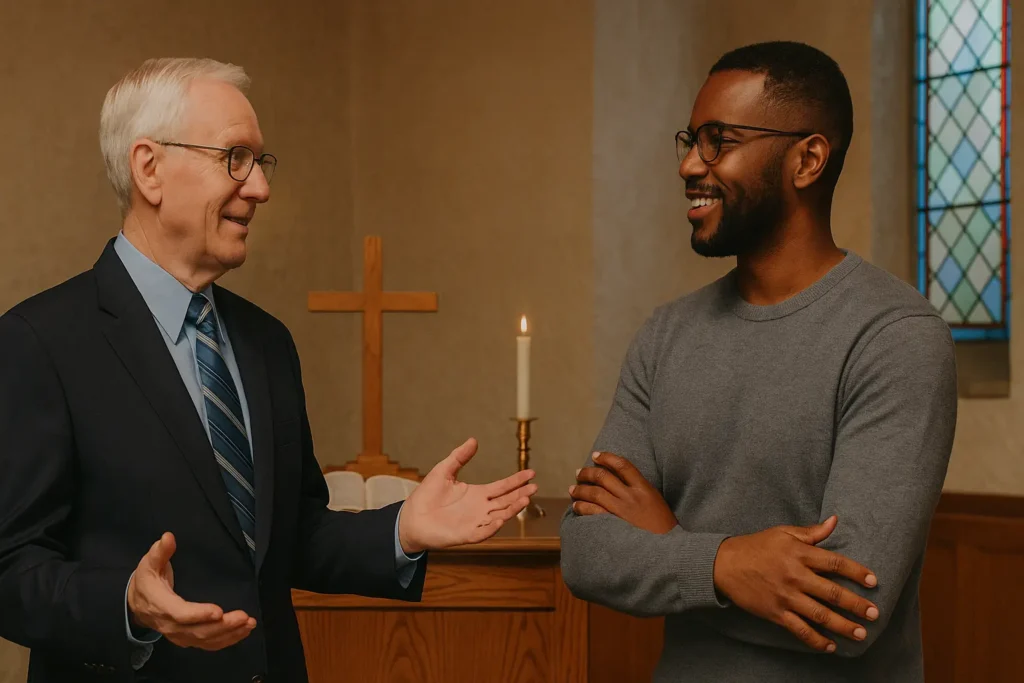
The Listening Gap: Why Assumptions Fail
One of the most critical mistakes senior pastors make is operating on assumptions rather than active engagement. It’s tempting to believe that silence equals success—if no parents are complaining and no dramatic incidents have occurred, surely everything is running smoothly. Conversely, a few vocal concerns might lead to panic about widespread problems.
The reality is far more nuanced. Effective NextGen ministry requires the same level of attentive leadership as any other church department. This means regular check-ins with children’s and youth pastors, understanding their challenges, celebrating their victories, and providing guidance when needed. Most senior pastors have limited direct experience in student or children’s ministry, making it even more crucial to listen to those who do.
Creating space for honest dialogue with NextGen leaders reveals insights that can transform your entire church culture. These conversations might uncover innovative ministry approaches, identify resource needs, or highlight opportunities for church-wide integration that would otherwise remain hidden.
Amplifying Voices from the Platform
The pulpit represents one of the most powerful tools in a pastor’s arsenal, yet it’s often underutilized when it comes to NextGen ministry. While worship leaders naturally receive recognition through their weekly platform presence, and mission work gets highlighted during special services, NextGen ministry frequently operates in the shadows.
Strategic platform time for children’s and youth pastors serves multiple purposes. It demonstrates senior leadership’s commitment to all generations, provides these ministry leaders with congregation-wide visibility, and creates opportunities to share exciting developments in NextGen programming. This visibility can inspire additional volunteers, increase family engagement, and reinforce the value of investing in young people’s spiritual development.
Moreover, public recognition from senior leadership validates the crucial work happening in children’s classrooms and youth rooms. When the lead pastor speaks positively about NextGen ministry from the pulpit, it sends a clear message about church priorities and values.
Budget Advocacy: Speaking for the Voiceless
Budget meetings reveal organizational priorities more clearly than mission statements ever could. Unfortunately, children and students lack representation in these critical discussions. While missions rightfully receive strong financial support and worship ministries often successfully advocate for increased resources, NextGen programs frequently face budget constraints.
This disparity exists because young people cannot speak for themselves in boardrooms and budget committees. Their needs, dreams, and potential impact must be championed by adult advocates—and no one is better positioned to fulfill this role than the senior pastor.
Effective budget advocacy for NextGen ministry goes beyond simple dollar amounts. It involves understanding the specific needs of different age groups, recognizing how investment in young people creates long-term church health, and ensuring that resource allocation reflects the church’s stated commitment to all generations.
Cultivating Safety Over Secrecy
Perhaps no area demands more senior pastoral involvement than creating and maintaining a culture of safety. NextGen ministry leaders cannot establish this environment independently—they need clear, unwavering support from church leadership.
This means implementing transparent policies for handling abuse allegations, providing proper training for all volunteers working with minors, and maintaining open communication channels for reporting concerns. It also means resisting any temptation to handle sensitive matters quietly or internally when external reporting is appropriate.
A culture of safety extends beyond crisis management to include proactive measures: background checks, appropriate supervision ratios, clear behavioral guidelines, and regular training updates. When senior pastors take visible ownership of these safety measures, it demonstrates their commitment to protecting the most vulnerable members of the congregation.
Breaking Down Generational Barriers
Modern churches face an unprecedented challenge: effectively ministering to five distinct generations simultaneously. A century ago, congregations typically included only two generations with a few elderly members. Today’s extended lifespans create complex multi-generational dynamics that require intentional navigation.
Creating opportunities for cross-generational connection benefits everyone involved. Young people gain wisdom and perspective from older congregants, while adults often rediscover enthusiasm and fresh insights through interactions with children and teenagers. These connections might occur through mentorship programs, mixed-age mission trips, or intergenerational small groups.
The key is intentionality. Without deliberate effort to create these opportunities, age-segregated programming becomes the default, potentially creating spiritual silos that limit the church’s overall effectiveness.
Systematic Solutions for Sustainable Success
Effective NextGen ministry requires more than good intentions—it demands systematic approaches that create smooth transitions and consistent experiences across age groups. Families should feel that their preschooler and their high schooler are part of the same ministry philosophy, even if the specific programs differ.
This systematic approach involves creating clear pathways for spiritual development, ensuring consistent messaging across age groups, and establishing protocols for transitions between different ministry levels. It also means developing volunteer recruitment and training programs that serve the entire NextGen spectrum rather than competing departments.
Without senior pastoral involvement in creating these systems, children’s and youth pastors often resort to informal arrangements that may not serve long-term church health. Comprehensive systems require the authority and vision that only senior leadership can provide.
The Path Forward: Practical Next Steps
Recognizing the importance of NextGen ministry is only the beginning. Implementation requires strategic planning, resource allocation, and ongoing commitment. Churches looking to strengthen their approach to NextGen ministry might consider partnering with experienced consultants who understand both the challenges and opportunities in this crucial area.
Organizations like Start Your Own Bible School (Powered by Ministry Partners Consulting Group) provide churches with tailored consulting services to build sustainable NextGen strategies. With expertise in ministry development, leadership training, and church operations, they can assist in designing ministry frameworks, aligning resources, and cultivating a NextGen culture that reflects your church’s mission and values. Their team is equipped to help churches of all sizes navigate transitions, strengthen intergenerational ties, and elevate the visibility and impact of youth and children’s ministries.
Conclusion: Investing in Tomorrow’s Church Today
The future vitality of any congregation depends largely on how well it nurtures its youngest members today. Senior pastors who embrace their role as shepherds of all generations—not just adults—position their churches for long-term health and growth.
This investment requires time, resources, and intentional focus. It means moving beyond assumptions to active engagement, from crisis management to proactive leadership, from age-segregated programming to intergenerational community building. Most importantly, it means recognizing that effective NextGen ministry isn’t just about children and teenagers—it’s about creating the kind of church community that reflects God’s heart for all people, regardless of age.
The next generation deserves nothing less than our best efforts, and the future of the church depends on our willingness to provide it.


