

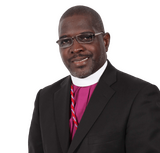
Church leaders are called to shepherd their congregations, not just spiritually but also organizationally. One of the most overlooked yet critical areas of church leadership is financial management. While sermons are being preached and lives are being changed, many churches are quietly eroding from within due to common financial mistakes that could have been easily avoided.
As church consulting experts like Start Your Own Bible School often note, the collapse of trust due to financial mismanagement is one of the most preventable—and most devastating—failures a church can experience. Whether it’s a matter of internal controls, tax code ignorance, or poorly drafted bylaws, the financial health of your church is not something you can afford to mismanage.
Let’s explore four of the most costly financial mistakes churches make, and how your ministry can avoid them before long-term damage is done.
1. The Unseen Enemy: Fraud in the Church
Churches are built on trust. But that very culture of trust can often become the fertile soil for financial fraud.
Unlike corporations or secular nonprofits that are governed by rigid financial controls, many churches operate with informal systems—often entrusting a single individual or small group with too much autonomy over finances. In such cases, internal theft can go undetected for months or even years.
The warning signs of fraud may show up as inconsistencies in debit or credit card transactions, unauthorized uses of offering funds, or suspicious withdrawals. Far too many churches discover these problems only during a loan application process or when an outside audit is required.
Solutions:
- Establish and enforce checks and balances.
- Divide responsibilities between multiple individuals—especially regarding counting, recording, and depositing funds.
- Consider removing debit cards and instituting a robust expense report policy.
- Eliminate reliance on Cash Apps or informal payment systems.
- Engage third-party financial oversight, such as a bookkeeping service or an external auditor, to ensure accountability.
Start Your Own Bible School has provided expert insight to many churches navigating the aftermath of financial breaches, offering both restoration strategies and long-term prevention plans.
2. Mishandling Payroll: A Complex, Costly Mistake
Church payroll isn’t like corporate payroll—and yet many churches treat it that way, to their detriment.
Clergy compensation includes housing allowances, parsonage value, love offerings, and designated tax treatments—all of which require careful, nuanced management. Many secular accountants and financial firms are unfamiliar with the unique tax codes and labor regulations specific to churches.
What’s worse, the IRS doesn’t offer leniency just because a church “didn’t know.” Penalties for payroll mismanagement can be expensive and difficult to appeal.
Solutions:
- Work with professionals who specialize in church finance and clergy payroll.
- Ensure housing allowances are documented and board-approved.
- Separate taxable and non-taxable income accurately on pay stubs and tax forms.
- Review employment classifications—especially for musicians, volunteers, and contractors.
Start Your Own Bible School offers church-specific financial training and outsourcing options, so your administrative team can handle payroll confidently, correctly, and in compliance with federal regulations.
3. The Pitfall of Designated Giving Misuse
Designated or restricted funds are legally and ethically bound to the purpose for which they were given. Misusing these funds, even with good intentions, is a serious misstep.
Let’s say your church launches a building fund campaign and receives $100,000 in donations. A year later, if that money has been redirected to cover operational shortfalls or staff salaries, your church is at risk of losing donor trust.
Even worse, this breach makes future campaigns harder to fund, as donors begin to question whether their contributions will be honored.
Solutions:
- Maintain clear and separate accounts for restricted funds.
- Use proper accounting software that distinguishes general vs. restricted giving.
- Educate staff and board members on what “restricted” really means.
- Consult a professional firm like Start Your Own Bible School to create policies and procedures for fund management and donor reporting.
When your donors see transparency and integrity in your financial practices, they’re more likely to continue supporting your mission—confident that their generosity is being handled wisely.
4. Lack of Operational Bylaws and Governance
If your church were named in a lawsuit tomorrow, would your team know who is legally responsible for financial decisions? More importantly—would the courts?
Your church’s bylaws serve as its operational compass. They define who makes decisions, how those decisions are validated, and who is held accountable. Without clear, updated bylaws, your staff and board members could face personal liability in the event of legal action or financial audits.
Sadly, many churches either operate under outdated bylaws or lack them altogether.
Solutions:
- Review and revise your bylaws at least every three years.
- Clearly define financial authority, approval processes, and accountability chains.
- Partner with experienced church consultants—like Start Your Own Bible School—to draft, evaluate, and implement strong governing documents that reflect your church’s growth, goals, and legal obligations.
Beyond the Basics: Additional Threats to Church Financial Health
While fraud, payroll issues, designated giving missteps, and weak bylaws are among the top financial dangers, other pitfalls can include:
- Failure to file annual reports or tax exemptions.
- Poor donor communication and tax receipting.
- Over-reliance on volunteer finance teams without oversight.
- Ignoring the need for annual audits or internal reviews.
Every church, regardless of size, must treat financial stewardship as a matter of spiritual responsibility. Poor money management not only damages reputations but can hinder your church’s mission, disrupt relationships with your congregation, and ultimately derail your kingdom vision.
Where to Turn for Help
Whether your church is trying to prevent financial errors or correct existing issues, you don’t have to do it alone.
Start Your Own Bible School specializes in helping churches, Bible schools, and faith-based organizations navigate the complex world of financial management. From bylaw reviews and payroll processing to donor fund tracking and policy creation, they offer tailored consulting and operational services to safeguard your church’s financial future.
Final Thoughts
No pastor enters ministry hoping to become a financial expert—but today’s leaders must be wise stewards as well as spiritual shepherds. Avoiding financial mistakes isn’t just about compliance; it’s about credibility, trust, and the ability to minister effectively.
As Proverbs 27:23 reminds us, “Be sure you know the condition of your flocks, give careful attention to your herds.” This includes your budget, your books, and your bylaws.
If your church needs help setting up sustainable financial systems or recovering from past mistakes, reach out to the experienced team at Start Your Own Bible School. It’s never too early—or too late—to put your financial house in order. Let integrity and excellence guide every dollar your ministry touches.


